On 17 November 2026, a critical vulnerability affecting OpenJDK was publicly disclosed, potentially exposing Java-based enterprise applications to unauthenticated remote code execution (RCE).

On 18 November 2026, F5 disclosed five critical vulnerabilities affecting NGINX web servers, collectively named NGINX2Root by security researchers at Xint.
A critical vulnerability affecting Google's Brotli decompression library was disclosed, potentially exposing applications to memory corruption and remote code execution (RCE).
On 21 October 2026, two critical vulnerabilities affecting PHP were publicly disclosed, raising serious concerns for organisations running PHP-based websites and applications, including well-known CMS such as WordPress, Drupal and Joomla.

Somewhere out there is a subdomain nobody at your company remembers creating.
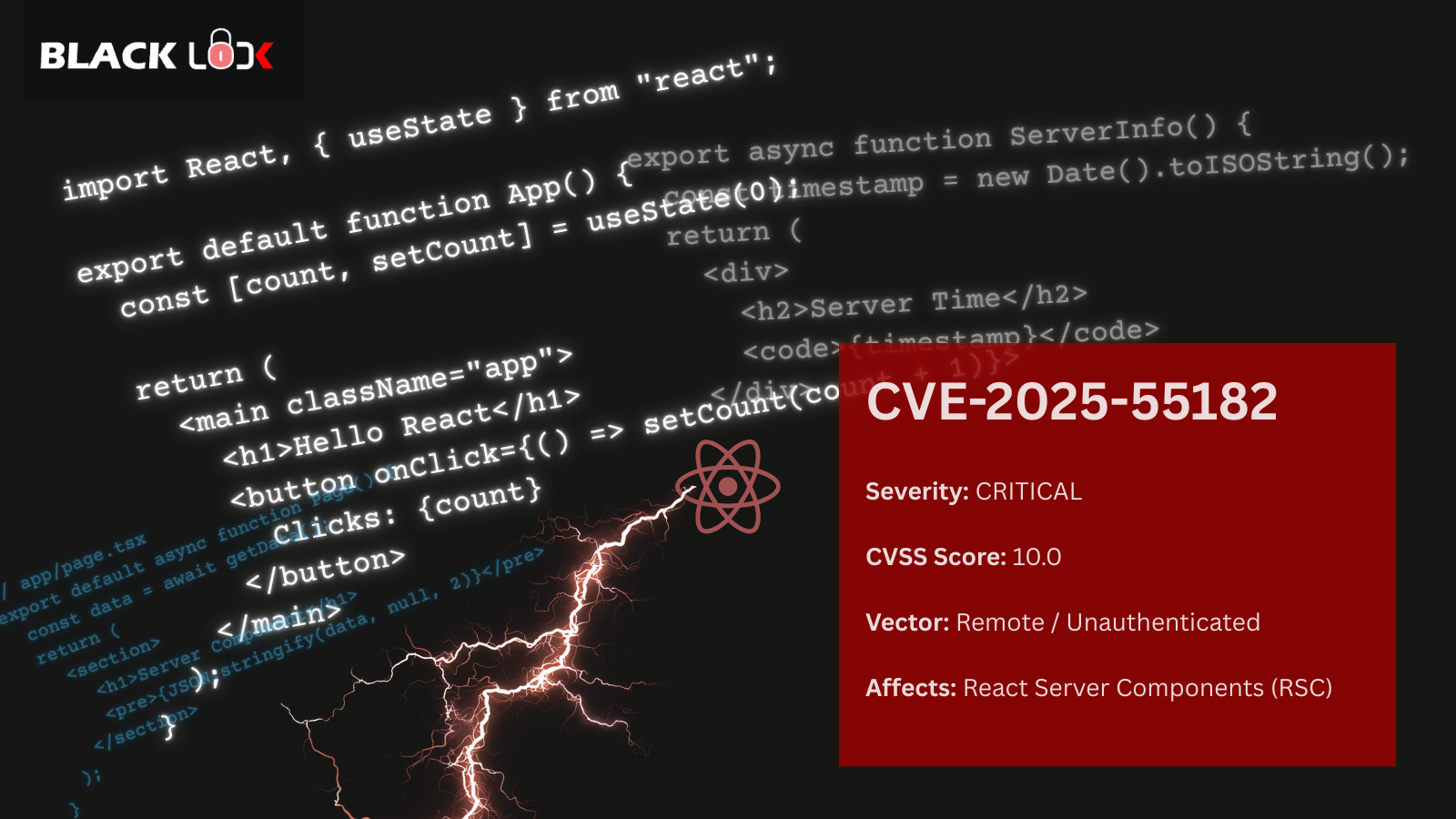
CVE-2025-55182 is a newly disclosed critical vulnerability (CVSS 10.0) affecting React Server Components (RSC), enabling attackers to execute arbitrary code on
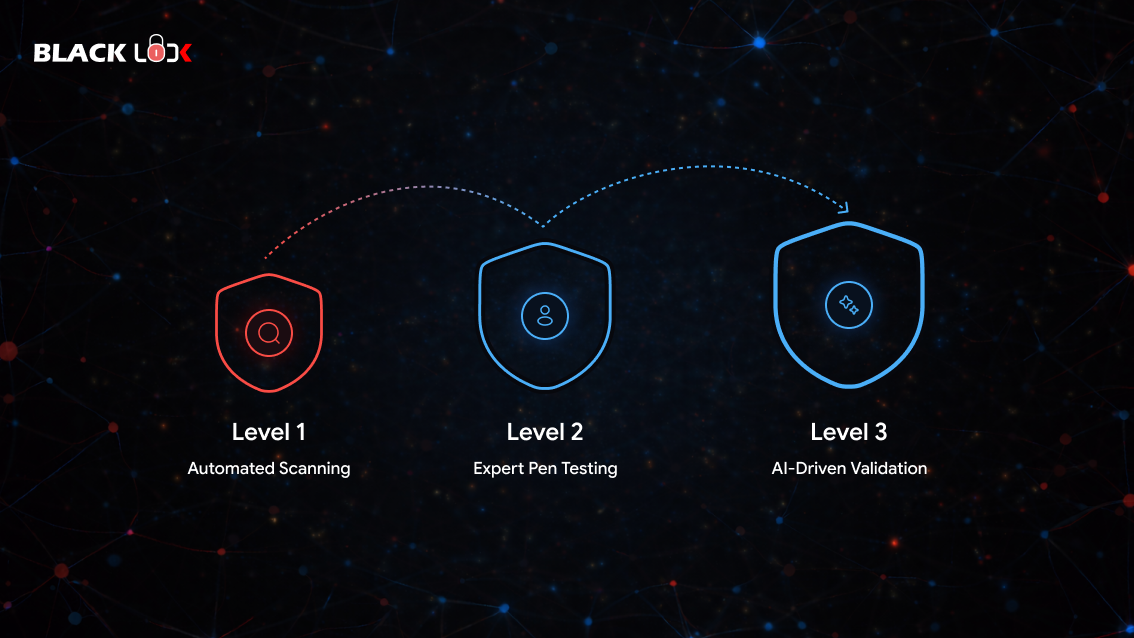
Most SaaS companies know they need a more mature secure development lifecycle. Fewer know how to get there without hiring a dedicated AppSec team or grinding through months of process change.

Think about what it actually takes to exploit a publicly accessible web application today. According to IBM's 2026 X-Force Threat Intelligence Index, attacks that begin with exploiting public-facing

A customer database is exposed. An attacker gains access to your web application. An employee discovers that personal information may have been downloaded without authorisation.
